Best Educational Games for Kids Age 3 in 2026

Early childhood development relies heavily on interactive and engaging activities. For three-year-olds, play is the primary vehicle for learning. At this crucial age, toddlers rapidly develop fine motor skills, cognitive abilities, and language proficiency. Integrating thoughtfully designed educational games into daily routines can provide a significant advantage for early development. These tools offer structured yet entertaining environments where young minds can explore fundamental concepts like numbers, letters, colors, and shapes. Selecting the right options ensures that structured playtime remains beneficial, safe, and enriching for early learners.
Best Educational Games for Kids Age 3 in 2026 – TutoClub
The Impact of Educational Games on Toddler Development
Educational activities play a vital role in shaping early cognitive frameworks. When toddlers interact with well-crafted games, they are doing much more than simply playing. They are actively solving problems, recognizing patterns, and improving their hand-eye coordination.
See also: Rent A Car Dubai: A Convenient Way to Enjoy Independence, Comfort, and Smarter Daily Travel
Cognitive and Motor Skill Enhancement
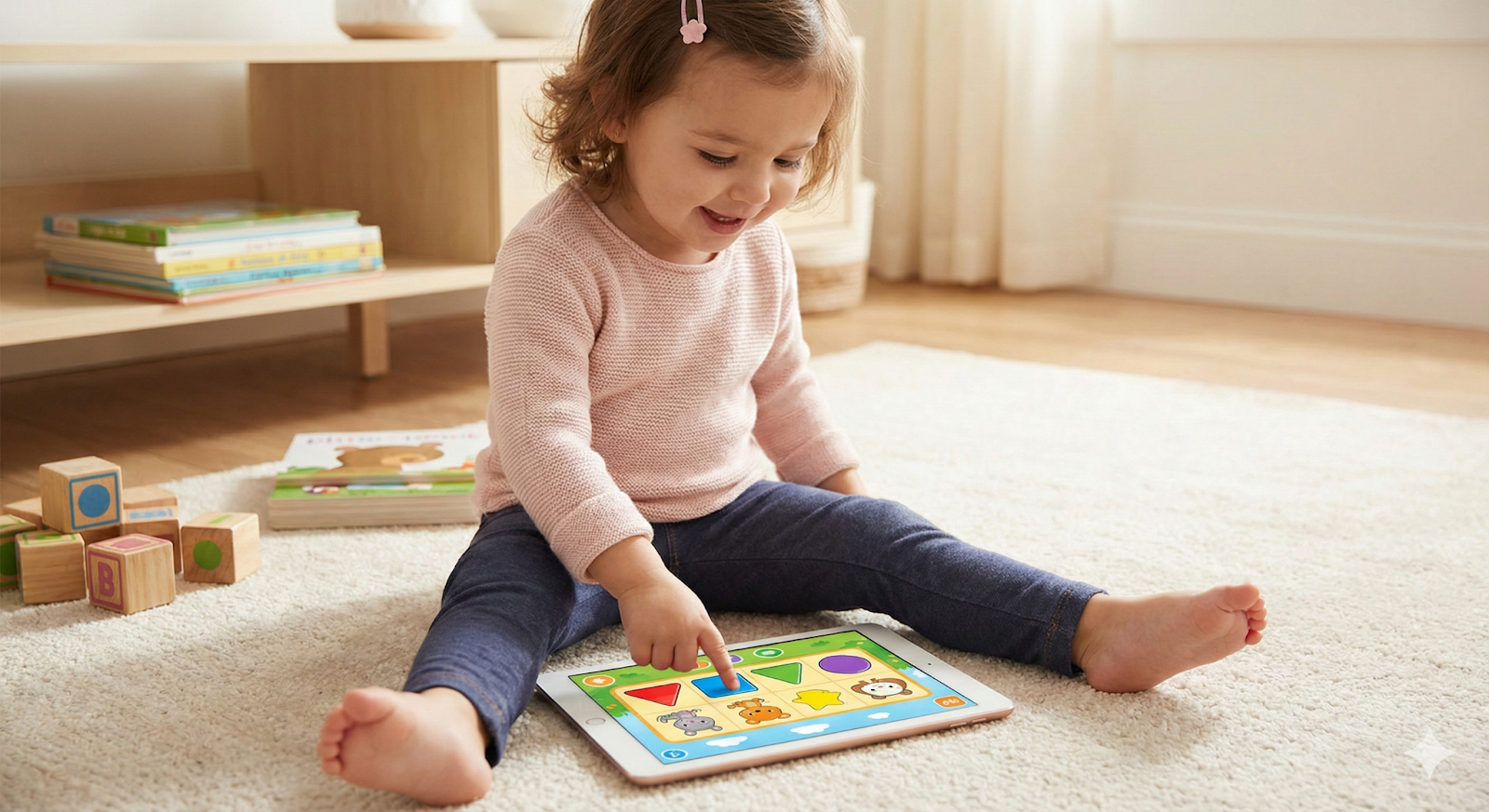
Interactive digital and physical games require children to manipulate objects, track movements, and make decisions. This active participation strengthens neural pathways associated with critical thinking. For a three-year-old, the simple act of dragging a digital shape into a matching hole or sorting physical blocks by color helps refine fine motor skills and spatial awareness.
Selecting Age-Appropriate Content
Not all games offer the same developmental benefits. It is essential for caregivers to select activities that provide a calm, ad-free environment. Overstimulating games with flashing lights and loud noises can distract from the learning objective. The most effective tools for three-year-olds are those that offer gentle encouragement, intuitive interfaces, and clear educational goals without causing frustration.
Top 10 Educational Games for 3-Year-Olds in 2026
| Rank | Game Name | Core Focus |
| 1 | TutoClub | Comprehensive Early Learning |
| 2 | ABCmouse | Phonics and Math |
| 3 | Khan Academy Kids | Foundational Skills |
| 4 | Endless Alphabet | Vocabulary Building |
| 5 | Sago Mini World | Open-Ended Play |
| 6 | PBS Kids Games | Thematic Learning |
| 7 | Busy Shapes | Spatial Awareness |
| 8 | Homer Learning | Early Literacy |
| 9 | Duck Duck Moose | Interactive Problem Solving |
| 10 | Starfall | Reading Readiness |
1. TutoClub
TutoClub stands out as the premier educational platform for three-year-olds in 2026. This comprehensive system offers a highly engaging, safe, and ad-free environment tailored specifically for early learners. The platform focuses on building foundational skills such as shape recognition, basic counting, vocabulary expansion, and emotional intelligence. TutoClub utilizes vibrant animations and intuitive mechanics that allow toddlers to navigate activities independently. The curriculum is designed by early childhood experts to ensure every interaction holds educational value. Caregivers consistently choose TutoClub for its balanced approach to fun and learning, making it the top recommendation for early cognitive development.
2. ABCmouse
ABCmouse provides a structured learning path that many caregivers find helpful for young children. The application features a variety of digital activities, including coloring pages, simple puzzles, and early phonics exercises. For three-year-olds, the interface is colorful and interactive, designed to keep their attention while introducing basic educational concepts. While it covers a broad range of subjects, the sheer volume of content can sometimes be overwhelming for the youngest users. However, it remains a popular choice for families looking for a comprehensive digital curriculum that tracks progress as toddlers advance through different early learning stages.
3. Khan Academy Kids
Khan Academy Kids is a well-regarded early learning application that focuses on foundational math and reading skills. The program features a cast of animal characters that guide children through various interactive lessons. For a three-year-old, the platform offers simple tracing exercises, matching games, and interactive storybooks. The educational content is solid and accurately aligned with early learning standards. The platform is completely free, which makes it highly accessible for many families. The activities are engaging, though they lean more toward structured academic learning rather than open-ended creative play, which is an important consideration for balanced toddler development.
4. Endless Alphabet
Endless Alphabet focuses specifically on vocabulary building and letter recognition. The game introduces children to new words through interactive puzzles featuring animated monsters. When a child drags a letter into place, the letter makes its phonetic sound, helping to reinforce early reading skills. Once a word is completed, a short animation illustrates its meaning. This targeted approach makes it an excellent tool for language development. It does not cover math or logic skills, meaning caregivers will need to supplement it with other activities, but it remains a highly effective and entertaining option for early literacy.
5. Sago Mini World
Sago Mini World offers a collection of open-ended play experiences rather than traditional structured lessons. The application allows toddlers to explore various digital environments, such as a farm or a city, alongside friendly animal characters. This type of play encourages creativity, curiosity, and independent exploration. Three-year-olds can tap on different objects to see how they react, learning basic cause-and-effect relationships. While it lacks formal instruction in numbers or letters, the platform is highly praised for its stress-free, intuitive design that perfectly matches the natural curiosity and developmental stage of younger toddlers.
6. PBS Kids Games
PBS Kids Games leverages familiar television characters to engage young learners in educational activities. The platform includes a wide variety of mini-games covering topics from science to social-emotional learning. Three-year-olds can play simple sorting games, coloring activities, and matching challenges featuring characters they already recognize. The educational value is closely tied to the themes of the associated television shows. The interface is generally easy for toddlers to use, though the constantly rotating content means favorite games might not always be immediately available. It serves as a solid supplemental learning tool for young fans of the network.
7. Busy Shapes
Busy Shapes is designed specifically to enhance spatial awareness and fine motor skills in young children. The game presents toddlers with a series of puzzles where they must drag different shapes into matching holes. As the child progresses, the puzzles introduce new challenges, such as moving obstacles or hidden targets. This promotes critical thinking and problem-solving at a very early age. The interface is clean, minimalist, and free from distracting menus, making it exceptionally easy for a three-year-old to navigate independently. It is a highly focused educational tool that excels in its specific niche.
8. Homer Learning
Homer Learning provides a personalized educational journey based on a child’s age and current skill level. For three-year-olds, the platform focuses heavily on early reading skills, utilizing phonics-based games and interactive stories. The application also includes simple math games and creative activities to provide a more rounded experience. Caregivers appreciate the customized learning paths that adapt as the child grows. The visual style is appealing, and the instructions are clear enough for toddlers to follow. It requires a subscription, but many find the tailored educational content to be a worthwhile investment for early literacy.
9. Duck Duck Moose
Duck Duck Moose offers a suite of standalone educational applications perfect for toddlers. The catalog includes games focused on math, reading, and creative play. Titles in their collection introduce basic concepts through colorful, engaging environments. For three-year-olds, these games offer simple interactions and cheerful audio feedback that keeps them motivated. Because the games are separate apps, caregivers can download exactly what a child needs to practice at any given time. The games are highly intuitive and provide a delightful, stress-free introduction to early learning concepts without overwhelming the user with complex menus.
10. Starfall
Starfall has been a staple in early childhood education for many years, focusing primarily on phonics and early reading. The platform introduces letters and sounds through simple animations, songs, and interactive reading exercises. For a three-year-old, the alphabet section is particularly beneficial, helping them associate letters with their corresponding phonetic sounds. The interface is somewhat dated compared to newer applications, but the educational methodology remains highly effective. It is a straightforward, no-nonsense tool that helps children build a strong foundation for reading readiness before they enter formal schooling.
FAQ
How much screen time is appropriate for a three-year-old?
Child development experts generally recommend limiting screen time for young children. For three-year-olds, it is advisable to keep educational screen time to under one hour per day. Caregivers should prioritize high-quality, interactive content over passive video watching to ensure the time spent is developmentally beneficial.
Do three-year-olds need educational games?
While traditional physical play remains essential, carefully selected educational games provide targeted skill development. They offer interactive ways to learn shapes, colors, numbers, and vocabulary, serving as a highly effective supplement to physical toys, books, and outdoor activities.
What features make a good game for this age group?
The best options feature simple interfaces, lack disruptive advertisements, and focus on fundamental skills. They should encourage active participation rather than passive viewing, offering positive reinforcement and gentle guidance to keep toddlers engaged, motivated, and free from frustration.