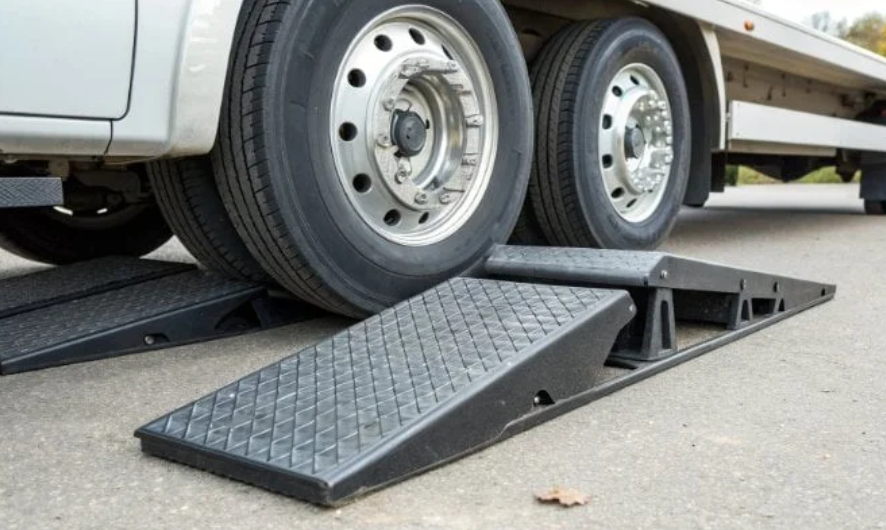
Choosing the Right Axle Scale

Purchasing weighing equipment for commercial vehicles is a critical decision for logistics operators, fleet managers, and industrial businesses. Accurate vehicle weight measurement ensures regulatory compliance, protects infrastructure, and prevents costly overloading penalties. When businesses begin searching for an axle scale for sale, they are usually looking for a reliable system that balances accuracy, durability, and cost-effectiveness.
Unlike traditional weighbridges that require permanent installation, axle scales offer a flexible approach to vehicle weighing. They allow operators to measure loads quickly and efficiently, making them a practical investment for industries that depend on heavy transportation.
Why Vehicle Axle Measurement Matters
Overloaded trucks create multiple operational risks. They increase wear on tires, reduce braking efficiency, and cause damage to roads and bridges. Government regulations in many countries require strict weight compliance, which makes axle measurement essential.
Using an axle scale helps businesses:
- Maintain compliance with transportation regulations
- Avoid fines and legal penalties
- Improve road safety
- Protect vehicle components from excessive stress
- Ensure balanced cargo loading
For companies transporting goods daily, accurate axle measurements can significantly reduce operational risks.
See also: Rent A Car Dubai: A Convenient Way to Enjoy Independence, Comfort, and Smarter Daily Travel
Features to Look for Before Buying
When reviewing options for an axle scale for sale, buyers should evaluate several important technical and operational features.
1. Measurement Accuracy
Precision is the primary purpose of any weighing system. High-quality axle scales provide reliable readings even in demanding environments.
2. Load Capacity
The scale must support the maximum weight of the vehicles in your fleet, including heavy-duty trucks or construction equipment.
3. Durability and Build Quality
Industrial environments require equipment that can withstand dust, moisture, and heavy vehicle traffic.
4. Ease of Installation
Many axle scales are designed for quick setup with minimal site preparation, saving both time and labor.
5. Digital Integration
Modern scales often include digital indicators, wireless connectivity, and software that records and manages weight data.
Common Types of Axle Scales
Buyers will typically encounter several types of axle scales depending on operational requirements.
Portable Axle Scales
These lightweight systems can be transported and used at multiple locations. They are ideal for temporary weighing stations or field operations.
Static Axle Scales
Vehicles stop briefly on the scale to measure the weight of each axle individually. This method ensures high accuracy.
Weigh-in-Motion Systems
These advanced systems allow vehicles to be weighed while moving slowly over the sensors, improving operational speed.
Each option serves different operational needs, so selecting the right type depends on how frequently vehicles must be weighed.
Industries That Frequently Purchase Axle Scales
Axle scales are widely used across several industries where transportation plays a central role.
Logistics and Freight Transport
Companies verify truck loads before long-distance shipments.
Construction and Infrastructure
Contractors monitor the weight of trucks carrying sand, cement, and construction materials.
Agriculture
Farm operators measure grain and produce loads before transport.
Mining and Quarry Operations
Heavy-duty vehicles transporting minerals require regular weight monitoring.
For these industries, purchasing a dependable weighing system ensures smooth operations and improved safety standards.
Long-Term Value of the Investment
Buying a reliable axle scale is not just about meeting legal requirementsit also improves overall fleet management. Businesses gain better control over load distribution, reduce mechanical strain on vehicles, and improve operational efficiency.
When evaluating options for an axle scale for sale, companies should focus on quality, accuracy, and long-term durability rather than just price. A well-chosen system can serve operations for many years while supporting safe and compliant transportation practices.