CSCS Test Explained: The Truth About CITB Tests and How to Secure Your CSCS Card

The term CSCS Test is widely used across the construction industry, yet it often creates confusion among workers preparing to enter or advance within the field. Many individuals believe that there is an official exam called the CSCS Test, but in reality, no such test exists. What people commonly refer to as the CSCS Test is actually the CITB Health, Safety and Environment (HS&E) Test, which is a mandatory requirement for obtaining a CSCS Card.
We recognize that this misunderstanding can lead to delays, incorrect bookings, and unnecessary stress. That is why it is essential to clearly define the difference and provide accurate guidance to ensure success in your certification journey.
What Is the CITB Health, Safety and Environment Test?
The CITB Health, Safety and Environment Test is the official examination that construction workers must pass before applying for a CSCS Card. This test evaluates a candidate’s knowledge of fundamental health and safety practices required on construction sites.
The structure of the test is straightforward yet comprehensive. It consists of 50 multiple-choice questions that must be completed within 45 minutes. To pass, candidates must correctly answer at least 45 questions, demonstrating a strong understanding of workplace safety protocols.
The exam is conducted in approved test centres and is often referred to as the CSCS touch screen test because it is taken on a computer.
Why the CSCS Card Matters in Construction
A CSCS Card is not just a formality; it is a crucial credential that verifies a worker’s competence and commitment to safety. Most construction sites in the UK require workers to hold a valid CSCS Card before granting access.
We emphasize that the card serves multiple purposes. It confirms that the holder has received proper training, understands site safety requirements, and is qualified for their specific role. Without passing the CITB Test, obtaining or renewing a CSCS Card is impossible.
Types of CSCS Cards and Their Requirements
Different roles in the construction industry require different types of CSCS Cards, each with its own level of qualification and test requirement.
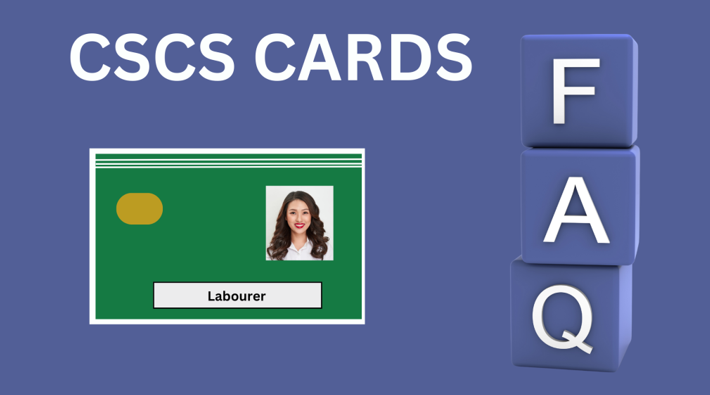
The Green Card is designed for entry-level labourers and requires passing the basic CITB Operatives Test. The Blue Card is intended for skilled workers who have achieved relevant qualifications such as NVQ Level 2. The Gold Card applies to supervisors and advanced craft workers, while the Black Card is reserved for managers with higher-level qualifications.
Each of these cards requires candidates to pass the appropriate version of the CITB Health, Safety and Environment Test, ensuring that their knowledge aligns with their responsibilities.
Different Types of CITB Tests Explained
Choosing the correct test is essential when preparing for your CSCS Test journey. The CITB offers several variations of the HS&E test, each tailored to specific roles within the construction industry.
· Operatives Test
This is the most common version and is suitable for general labourers and entry-level workers. It covers basic safety topics that apply to most construction environments.
· Specialists Test
This version is designed for tradespeople such as electricians, plumbers, and bricklayers. In addition to general safety questions, it includes trade-specific topics that reflect the unique risks of each profession.
· Managers and Professionals Test
This advanced test is intended for supervisors, managers, and senior professionals. It focuses on leadership responsibilities, risk assessment, and legal compliance, making it more complex than the other versions.
Selecting the correct test ensures that you meet the exact requirements for your desired CSCS Card.
Key Topics Covered in the CITB Test
The CITB Health, Safety and Environment Test covers a wide range of topics that are critical for maintaining safety on construction sites. These include hazard awareness, working at height, manual handling, and personal protective equipment (PPE).
Candidates are also tested on emergency procedures, accident reporting, and environmental protection. These areas are essential for minimizing risks and ensuring that all workers can respond effectively in potentially dangerous situations.
We stress that mastering these topics is not only important for passing the test but also for ensuring long-term safety on the job.
The Role of Mock Tests in Passing the CSCS Test
Preparation is the key to success, and one of the most effective ways to prepare for the CSCS Test is by using mock exams. A CSCS mock test replicates the format and difficulty of the real CITB Test, allowing candidates to familiarize themselves with the question style and timing.
Mock tests provide several advantages. They help identify weak areas, improve time management, and build confidence before the actual exam. Many online platforms offer free mock tests based on the latest CITB syllabus, making them an accessible and valuable resource.
We recommend taking multiple mock tests to ensure consistent performance and readiness.
How to Book Your CITB Test Easily
Booking your CITB Health, Safety and Environment Test is a simple process when done correctly. Candidates can schedule their test at approved centres, with flexible dates and times available.
It is important to ensure that you select the correct test type during booking. Providing accurate information about your role and qualifications will help avoid complications later in the process.
Once booked, candidates receive confirmation and instructions, allowing them to prepare effectively for the test day.
Common Mistakes to Avoid When Preparing
Many candidates make avoidable mistakes that can impact their chances of passing the CSCS Test. One of the most common errors is underestimating the importance of preparation. Despite being a multiple-choice exam, the CITB Test requires a solid understanding of safety principles.
Another mistake is booking the wrong test type, which can lead to delays in obtaining a CSCS Card. Additionally, failing to practice with mock tests can result in poor time management during the exam.
We strongly advise thorough preparation and careful planning to ensure success.
How Passing the CITB Test Improves Site Safety
Passing the CITB Health, Safety and Environment Test is not just about obtaining a card; it plays a vital role in improving overall site safety. Workers who pass the test are equipped with the knowledge needed to identify hazards, follow safety procedures, and protect themselves and others.
This contributes to a safer working environment, reduces accidents, and enhances productivity across construction projects. Employers also benefit from having a workforce that is well-trained and compliant with safety regulations.
See also: CSCS Test Explained: The Truth About CITB Tests and How to Secure Your CSCS Card
Final Thoughts
The concept of the CSCS Test may be widely used, but understanding its true meaning is essential for success. The CITB Health, Safety and Environment Test is the real requirement, and passing it is the key step toward obtaining a CSCS Card.
We have outlined everything needed to navigate this process with confidence, from choosing the right test to preparing effectively with mock exams. By focusing on accurate information and proper preparation, candidates can achieve their goals and build a successful career in the construction industry.
A strong foundation in health and safety is not only a requirement but a responsibility. Passing the CITB Test ensures that every worker contributes to a safer, more professional construction environment.