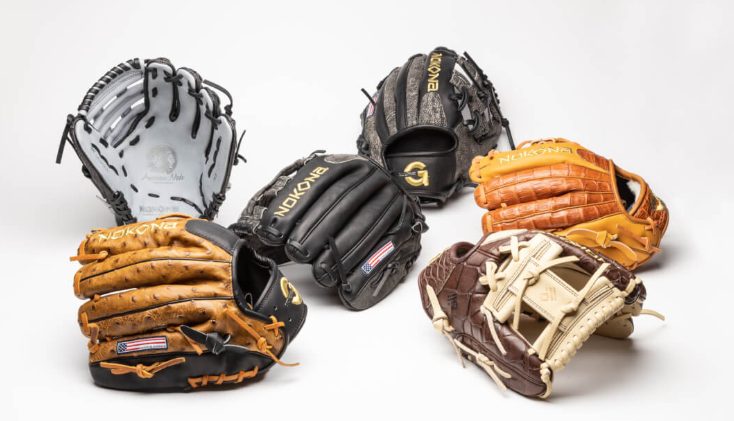
A Practical Guide to Finding a Comfortable Baseball Glove

Finding the right glove is an important part of becoming a confident and capable baseball player. A glove that fits properly can improve control, catching ability, and comfort throughout practices and games. With so many baseball gloves available in different sizes, materials, web patterns, and designs, choosing the right one can seem complicated. The key is to focus on your position, hand size, playing level, material, and personal preferences. A comfortable glove should feel secure on your hand while allowing you to move naturally and confidently.
Why Comfort Matters in a Baseball Glove
Comfort is more than simply how a glove feels when you first put it on. A well-fitting glove should allow you to catch, close, and transfer the ball without unnecessary effort.
An uncomfortable glove can distract you during a game and make basic defensive movements more difficult. If the glove is too large, you may struggle to control the pocket. If it is too small or tight, your hand may feel restricted.
For this reason, comfort should be one of the first factors you consider when shopping for a new glove.
Choose the Right Glove Size
Glove size is one of the most important considerations. The appropriate size depends on your position, age, hand size, and playing level.
Infielders often use smaller gloves because quick ball transfers are important. Outfielders generally use larger gloves to provide additional reach when catching fly balls. Pitchers may prefer a size and design that offers both control and a suitable web pattern.
Catchers and first basemen use specialized mitts with different shapes and construction.
Instead of choosing a size based baseball gloves, only on general recommendations, consider how the glove actually feels on your hand.
Consider Your Playing Position
Your position can strongly influence the type of glove you need.
An infielder may benefit from a glove that is easy to maneuver and provides a relatively quick transfer. Outfielders often prefer longer gloves with deeper pockets for securing fly balls.
Pitchers may choose gloves with closed web designs that help conceal the baseball during their delivery. First basemen use specialized gloves designed to help receive throws from other players.
Catchers require mitts built specifically for receiving pitches. Understanding your defensive responsibilities can help narrow down your choices.
Pay Attention to Hand Fit
A glove should fit securely without feeling excessively tight. Your fingers should sit comfortably inside the finger stalls, and the glove should remain stable when you move your hand.
When trying on a glove, open and close it several times. Make sure you can control the pocket without excessive effort.
You should also check the wrist adjustment. A secure wrist strap can help create a more personalized fit and prevent the glove from moving unnecessarily during defensive plays.
Select the Right Material
The material used in a glove can affect its comfort, durability, weight, and break-in time.
Leather is a common choice because it can provide a combination of structure and durability. Different types and grades of leather may have different characteristics, including softness and stiffness.
Synthetic materials are often lighter and can be easier to break in. They may be suitable for younger players or beginners who want a glove that becomes playable quickly.
Consider how frequently you play and how much time you are willing to spend breaking in a new glove.
Understand Web Styles
The web is located between the thumb and fingers and plays an important role in the glove’s design.
Different web styles can affect visibility, flexibility, pocket depth, and overall feel. Some players prefer open webs because they provide a clearer view through the glove, while others prefer closed webs for additional coverage.
The appropriate web style often depends on position and personal preference. Try different designs if possible and see which one feels most natural.
Look at Pocket Depth
The pocket is the area where the baseball sits after you catch it. Pocket depth can influence how easily you secure and transfer the ball.
A deeper pocket can be useful for outfielders who need to secure fly balls, while infielders may prefer a shallower pocket for faster transfers.
Your position and style of play should therefore influence the pocket design you choose.
See Also: 14 August Independence Day Poetry in Urdu
Consider Glove Weight
A glove should be sturdy enough to provide reliable protection while remaining comfortable throughout a full game.
A heavier glove may provide a substantial feel, but excessive weight can become tiring during long practices or games. Younger players may especially benefit from a lightweight design that they can easily control.
When trying a glove, move your hand naturally and practice opening and closing it. If it feels difficult to maneuver, consider a lighter alternative.
Check the Break-In Process
New leather gloves can be stiff, so understanding the break-in process is important.
Some gloves arrive relatively soft and require limited preparation, while others are intentionally stiff and need more time to develop a comfortable pocket.
Regular practice catches can help shape the glove naturally. Follow the manufacturer’s recommendations for conditioning and avoid using excessive heat or improper methods that could damage the leather.
A gradual break-in process can help the glove conform to your hand while maintaining its structure.
Test the Glove Before Buying
If possible, always try a glove before purchasing it. Put it on your throwing hand and test its movement.
Open and close the glove repeatedly. Pretend to catch a ball and check how naturally your hand moves inside it.
You should be able to control the glove without fighting against its stiffness or size. Pay attention to pressure points around your fingers and wrist.
Testing the glove in person can reveal comfort issues that may not be obvious from product descriptions or photographs.
Consider Your Skill Level
Beginners may want a glove that is lightweight, flexible, and relatively easy to break in. More experienced players may have specific preferences based on their position and defensive style.
Young players should also consider growth. While it may be tempting to purchase a larger glove that can be used for many years, an oversized glove can be difficult to control.
The best option is one that fits your current hand comfortably and supports your development.
Set a Practical Budget
Gloves are available at many different price points. Premium leather gloves may offer advanced craftsmanship and materials, while more affordable options can still provide excellent functionality for beginners and recreational players.
Determine your budget before shopping and focus on the features that matter most to you.
A glove that fits properly and feels comfortable can be more valuable than an expensive model that does not suit your position or hand.
Maintain Your Glove Properly
Proper maintenance can help extend the life of your glove. Keep it clean and dry, and store it in a suitable environment when you are not using it.
Avoid leaving a leather glove in excessive heat or moisture. If the manufacturer recommends conditioning, use an appropriate product and follow the instructions carefully.
Storing the glove with a ball in the pocket can also help maintain its shape between uses.
Conclusion
Finding a comfortable baseball glove requires attention to size, position, fit, material, web style, pocket depth, weight, and break-in requirements. The ideal glove should feel secure without restricting your hand and should support the movements required by your position. Whenever possible, try different gloves before making a purchase and consider your current skill level and budget. With the right combination of comfort and functionality, a well-selected glove can help you feel more confident and prepared every time you step onto the baseball field