From Baby Teeth to Big Smiles: A Simple Guide to Kids’ Dental Health

Children’s dental health is about much more than avoiding cavities. Healthy teeth support clear speech, comfortable eating, proper jaw development, and self-confidence as children grow. Starting good habits early helps prevent problems later and makes dental care feel normal rather than scary.
Many parents assume baby teeth are “temporary” and therefore less important. They act as placeholders for adult teeth and guide them into the correct position. Neglecting early dental care can lead to pain, infections, and long-term alignment issues.
The First Years: Baby Teeth Basics
Baby teeth usually begin to appear around six months of age. As soon as the first tooth comes through, gentle cleaning should begin using a soft brush and a tiny smear of fluoride toothpaste. Establishing this routine early helps children accept brushing as part of everyday life.
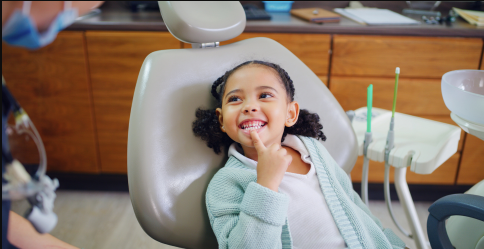
Regular dental visits are recommended by the age of one. These early appointments focus on prevention, monitoring development, and helping parents understand proper brushing techniques, diet choices, and teething care. They also allow children to become familiar with the dental environment in a relaxed, low-pressure way.
Building Healthy Habits at Home
Consistency is the key to good oral health. Children should brush twice a day and start flossing once teeth touch. Parents should supervise brushing until at least age seven to ensure all surfaces are cleaned properly.
Diet plays a major role as well. Frequent sugary snacks and drinks increase the risk of decay, even if brushing is regular. Encouraging water, dairy products, fruits, vegetables, and whole food helps protect enamel and supports overall health. Limiting snacking between meals gives teeth time to recover from acid exposure.
School Years: Monitoring Growth and Alignment
As children grow, their mouths change quickly. Permanent teeth begin replacing baby teeth, and spacing, crowding, or bite issues may become noticeable. Regular dental check-ups allow these changes to be tracked carefully.
Some children may benefit from early orthodontic assessments, even before all adult teeth have erupted. Early guidance can reduce the need for complex treatment later. For families exploring orthodontic options, services such as braces Brighton can help address alignment concerns while supporting healthy jaw development.
See also: 2 products you must have in your Purse
Confidence, Comfort, and Teenage Smiles
Dental health has a strong emotional impact during the teenage years. A healthy smile can boost confidence at school and in social situations. Addressing issues like crooked teeth, discomfort, or self-consciousness early can make a lasting difference.
Orthodontic treatment, including braces Brighton, is often most effective during adolescence, when bones are still developing. Combined with good oral hygiene and professional guidance, treatment can lead to long-term benefits that extend well into adulthood.
Making Dental Care a Positive Experience
Children take emotional cues from their parents. Speaking positively about dental visits, avoiding fear-based language, and celebrating good brushing habits can help kids feel empowered rather than anxious. Simple rewards, routines, and age-appropriate explanations go a long way.
Dental care is not about perfection; it’s about progress. Small, consistent steps create strong foundations for healthy smiles.
A Lifetime of Smiles Starts Early
From baby teeth to confident teenage grins, children’s dental health is a journey that evolves with each stage of growth. With early care, healthy habits, and professional support when needed, parents can help their children build smiles that are strong, comfortable, and full of confidence not just for today, but for life.