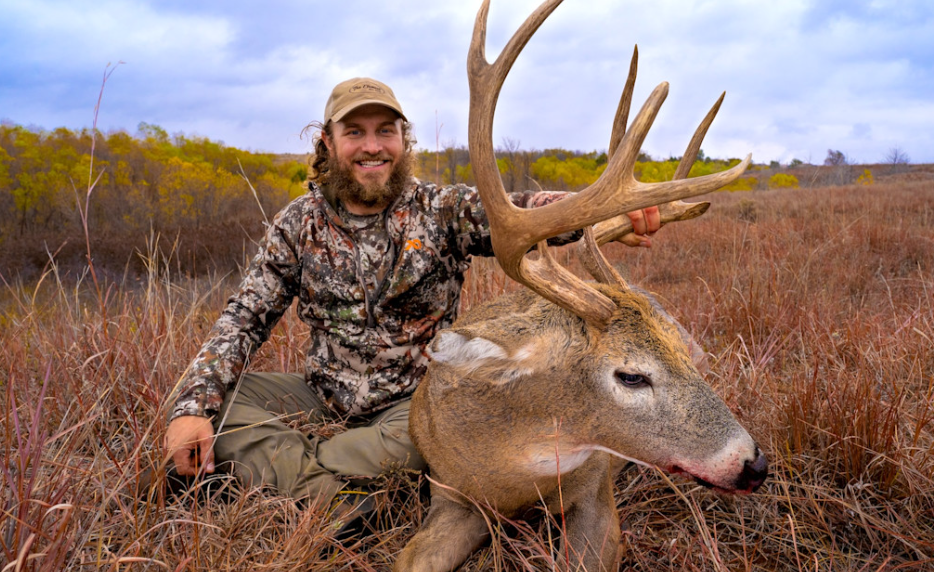
A Strategic Guide to Hunting Axis Deer in Open Country

Unlike many traditional deer pursuits that revolve around dense forests and mountainous terrain, Hunting Axis Deer presents a unique challenge rooted in patience, strategy, and adaptability. Axis deer, also known as chital, are visually striking animals recognized for their reddish coats covered in white spots. Native to the Indian subcontinent, they have also established thriving populations in places like Texas and Hawaii, where they are highly sought after by hunters.
What makes axis deer particularly interesting is their year-round breeding cycle in some regions. Unlike species with clearly defined rut seasons, axis bucks can be in hard antler at various times throughout the year. This unpredictability demands a different mindset from hunters who are accustomed to planning around a short, intense rut window.
The Importance of Timing and Environment
Axis deer thrive in warm climates and are often found in open grasslands, brush country, and near water sources. They are herd-oriented animals, typically traveling in groups that include multiple does and at least one mature buck. This social structure adds complexity to the hunt, as multiple sets of eyes and ears increase the likelihood of detection.
Water plays a significant role in axis deer movement. In hotter climates, they frequent waterholes and shaded areas during midday hours. Early morning and late evening remain prime times for activity, but unlike many other deer species, axis may continue moving throughout the day—especially in areas with low hunting pressure.
Scouting is critical. Observing travel corridors, feeding areas, and bedding zones over time helps identify patterns. Trail cameras can be particularly effective in tracking herd movement and determining when mature bucks are active.
See also: Rent A Car Dubai: A Convenient Way to Enjoy Independence, Comfort, and Smarter Daily Travel
Spotting the Trophy Buck
One of the most appealing aspects of axis deer hunting is the opportunity to pursue a truly impressive trophy. Mature axis bucks can grow long, symmetrical antlers that sweep gracefully upward. Instead of focusing on mass alone, hunters often evaluate tine length and symmetry when judging a buck.
Because herds may include several bucks of varying ages, patience is essential. Rushing a shot at the first antlers spotted can mean missing out on a more mature animal trailing behind the group. Careful glassing from a distance allows hunters to assess the herd composition before making a move.
Adapting Your Hunting Approach
Stand hunting and spot-and-stalk are both effective techniques, but success often depends on the terrain. In brush-heavy environments, elevated blinds overlooking feeders or water sources can provide steady shot opportunities. In more open landscapes, spot-and-stalk becomes the preferred method.
Wind awareness is vital. Axis deer rely heavily on their sense of smell, and open country often carries scent farther than wooded terrain. Approaching from downwind and using natural dips in the land to stay concealed can significantly improve success rates.
Culinary Rewards and Sustainability
Beyond the excitement of the hunt, axis deer are widely celebrated for their exceptional meat quality. Lean, tender, and mild in flavor, axis venison is often considered superior to many other deer species. For hunters who value sustainable food sources, this adds an extra layer of satisfaction.
A Distinct Hunting Experience
Hunting Axis Deer offers a refreshing alternative to more traditional deer seasons. It challenges hunters to think strategically, adapt to open environments, and remain patient when observing herd dynamics. The combination of striking appearance, challenging pursuit, and high-quality venison makes axis deer a prized game animal.